

Last Updated: November 26, 2026
Quick Summary
To reduce hvac energy use, start with a 20-minute diagnostic walk-through to find the biggest drains, then change air filters on the right schedule, dial in programmable thermostat setbacks, and seal air leaks and ductwork. Yearly tune-ups, smart use of blinds and fans, and knowing when an upgrade beats a repair complete the seven fixes.
- A 20-minute walk-through checking drafts, filters, insulation, and vents shows which fixes will move your bill.
- Basic fiberglass filters should be checked every 30 days and replaced every 30-60 days.
- Seal first, then insulate: sealing stops drafts while insulation holds the temperature.
- For heat pumps, a smaller 3-5°F setback avoids costly auxiliary heat during recovery.
- Close blinds on south and west windows during the hottest hours to cut solar heat gain.
Table of Contents
- Start With a Diagnostic Walk-Through to Find the Biggest Energy Drains
- 1. Change Air Filters on the Right Schedule: Air Filter Replacement Frequency
- 2. Dial In Programmable Thermostat Settings for Your Daily Routine
- 3. Tackle Home Air Sealing and Insulation to Stop Drafts and Heat Loss
- 4. Inspect and Seal Ductwork to Stop Losing Conditioned Air
- 5. Follow HVAC Maintenance Tips That Protect Peak Efficiency
- 6. Use Blinds, Curtains, and Ceiling Fans to Cut Solar Heat Gain
- 7. Know When an HVAC System Upgrade Beats Another Repair
- Frequently Asked Questions
Start With a Diagnostic Walk-Through to Find the Biggest Energy Drains
If your energy bills keep climbing, the fastest way to reduce HVAC energy use is to find the real culprit before you spend a dime. Most homeowners guess. They change a filter, bump the thermostat, and wonder why nothing changes.
Here’s how to do it. Walk your home on a mild day and check these spots:
- Feel for drafts around windows, doors, and outlets
- Look at your filter. Is it gray and clogged?
- Check your attic and basement for thin or missing insulation
- Listen for whistling or rushing air at vents and duct joints
- Note which rooms stay hot or cold no matter what
The room that never feels right usually points to the problem. A hot upstairs bedroom often means duct leaks or weak attic insulation. A cold room over the garage usually means air sealing.
This walk-through takes 20 minutes. It tells you which of the seven fixes below will actually move your bill. Skipping it is the most common mistake we see.
U.S. Department of Energy home energy assessment guide
1. Change Air Filters on the Right Schedule: Air Filter Replacement Frequency
A clogged filter chokes airflow, and your system runs longer to push the same air (HVAC Proper Installation of Filters). That’s wasted energy on every cycle. Air filter replacement frequency depends on your home, not the calendar.
Here’s a simple rule we give our customers:
| Filter Type | Check Every | Replace Every |
|---|---|---|
| Basic fiberglass | 30 days | 30-60 days |
| Pleated 1-inch | 30 days | 60-90 days |
| Pleated 4-inch | 60 days | 90-180 days |
| Homes with pets or allergies | 30 days | 30-45 days |
Replace Every
Hold the filter up to a light. If you can’t see through it, it’s done. A dirty filter also strains the blower motor, which can shorten equipment life.
2. Dial In Programmable Thermostat Settings for Your Daily Routine
Programmable thermostat settings do the work while you’re asleep or away. The savings come from fewer run hours, not from dramatic temperature swings. Many homeowners use a setback of several degrees for part of the day to reduce run time; actual savings depend on climate, home tightness, and how long the setback lasts.
Here’s a schedule that balances comfort and savings:
- Wake up: normal comfort setting
- Work hours: 7-10°F warmer in summer, cooler in winter
- Home again: back to comfort
- Overnight: a few degrees toward savings
The mechanism matters: a steady setback reduces runtime during unoccupied hours. A wild swing forces the system into a long recovery cycle that can erase the savings. Keep the setback consistent rather than adjusting it daily.
If you’re home all day, use a “home” schedule instead. The goal is fewer run hours, not discomfort.
Smart thermostats and time-of-use rates. Modern smart thermostats learn your schedule and can pre-cool or pre-heat before peak-rate windows. If your utility offers time-of-use pricing, shifting HVAC runtime to off-peak hours can lower bills beyond what a fixed schedule achieves. Check your utility’s rate plan before assuming a setback is always the cheapest option, in some rate structures, pre-cooling before peak hours saves more than a deep setback.
Watch out: Heat pumps recover more slowly than furnaces. A 10°F setback on a heat pump may trigger auxiliary heat strips during recovery, which can cost more than the setback saved. For heat pumps, a smaller setback (3-5°F) or a smart thermostat with heat-pump-specific recovery logic is usually the better choice.
3. Tackle Home Air Sealing and Insulation to Stop Drafts and Heat Loss
Home air sealing and insulation keep the air you paid to cool or heat inside the house. Gaps around windows, doors, and pipes leak more than most people expect.
Start with the cheap, easy fixes:
- Add weatherstripping and door sweeps
- Caulk gaps around window frames
- Seal holes where pipes and wires enter walls
- Add outlet gaskets on exterior walls
Then look at insulation. Attics are the usual weak point. Thin attic insulation lets heat pour out in winter and bake your ceilings in summer.
Seal first, then insulate. Sealing stops the drafts. Insulation holds the temperature. Doing both together gives you the best return.
4. Inspect and Seal Ductwork to Stop Losing Conditioned Air
Leaky ducts can lose a meaningful share of your conditioned air before it ever reaches a room. That’s money leaking into your attic or crawlspace. Inspect and seal ductwork in any home with ducts running through unconditioned space.
Prioritize by location, not by symptom. Start with ducts in the hottest or coldest unconditioned zones, attic runs in summer, crawlspace runs in winter. Those leaks cost the most because the temperature difference between duct air and surrounding air is largest. A duct leaking in a conditioned basement matters far less than one baking in a 140°F attic.
Look for these signs:
- Torn or disconnected joints
- Gray smudges of dust at seams
- Rooms that never get enough airflow
- High bills with no clear cause
Seal accessible joints with mastic or foil tape made for ducts. Skip standard cloth duct tape, which dries out and falls off. For hidden runs, a professional duct inspection is worth it, so you know whether the work actually helped.
The DIY-versus-pro trade-off. Accessible joints near the air handler are usually a straightforward DIY job. But ducts buried in attics, behind drywall, or in crawlspaces often need a pro with the right access and sealants. Seal what you can reach, then have the system tested to find what you missed.
Watch out: Sealing ducts in a tightly built home without addressing ventilation can worsen indoor air quality and humidity. If your home is already tight, pair duct sealing with a fresh-air strategy rather than sealing every leak blindly.
5. Follow HVAC Maintenance Tips That Protect Peak Efficiency
HVAC maintenance tips matter because a neglected system loses efficiency quietly. Regular maintenance and routine service keep it running at peak efficiency year after year.
A yearly tune-up covers the parts that wear out:
- Cleaning the coils and blower
- Checking refrigerant charge
- Lubricating moving parts
- Testing the thermostat and safety controls
- Tightening electrical connections
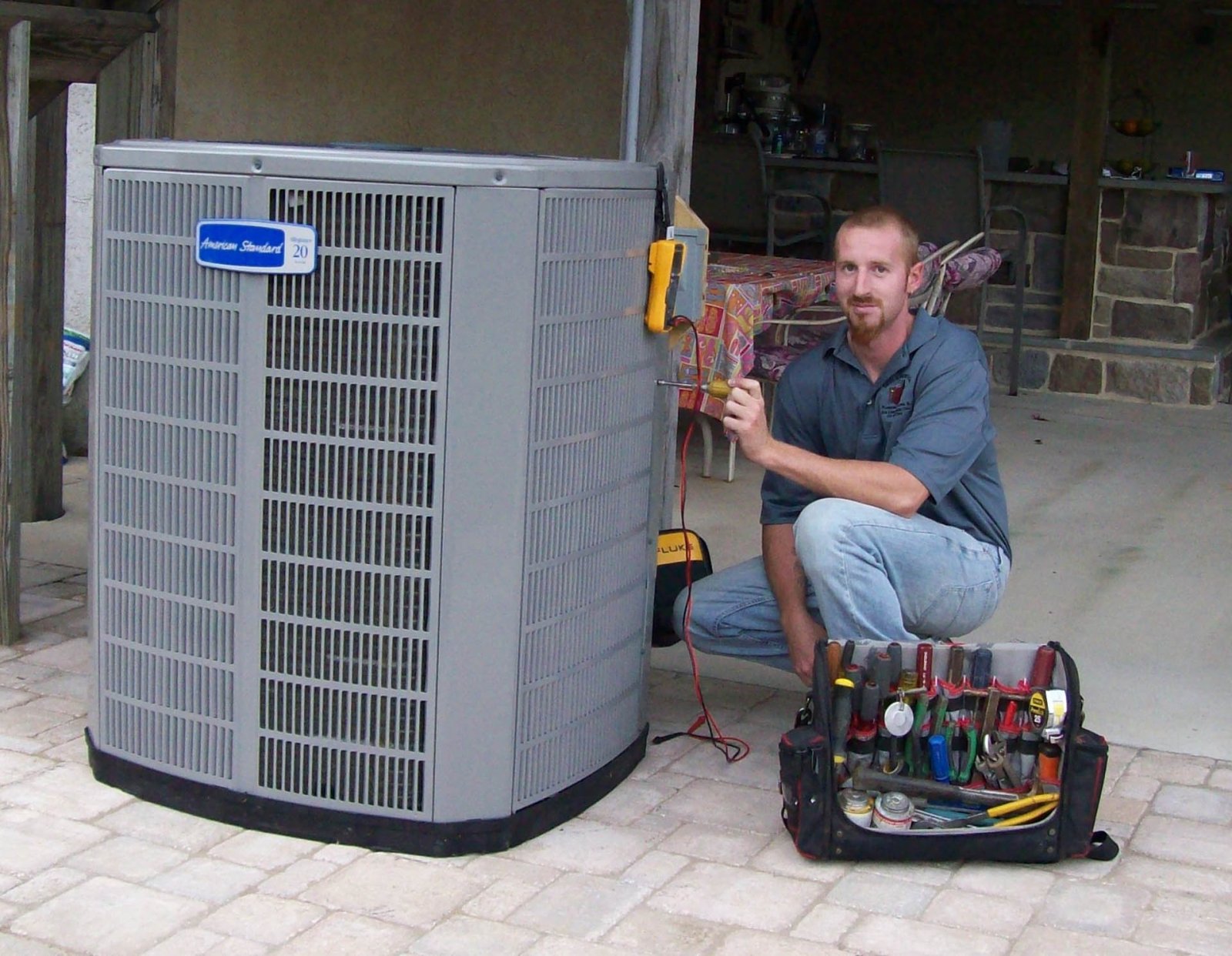
A common mistake is skipping service until something breaks. By then, you’ve paid for months of poor performance. Watch out: a system that short-cycles or blows warm air needs a pro, not another filter change.
If a tune-up turns up a problem, our 24/7 furnace repair and heating service can help if a tune-up uncovers a problem. And if you want to stay ahead of breakdowns, you can review our HVAC homeowner maintenance agreement.
6. Use Blinds, Curtains, and Ceiling Fans to Cut Solar Heat Gain
Free heat from the sun is a summer problem. Blinds, curtains, and ceiling fans cut solar heat gain without touching the thermostat.
Try these habits:
- Close blinds on south and west windows during the hottest hours
- Open them in winter to let sun warm the rooms
- Run ceiling fans counterclockwise in summer for a cool breeze
- Turn fans off when you leave the room
7. Know When an HVAC System Upgrade Beats Another Repair
Sometimes repair is throwing money at an aging system. An HVAC system upgrade beats another repair when the unit is old, needs frequent fixes, and never quite keeps up.
Signs it’s time to weigh an upgrade:
- Repairs pile up year after year
- Rooms never reach the set temperature
- The system uses older, less efficient technology
- Your bills climb while comfort drops
Before you commit, read up on how to choose a local HVAC contractor so you vet the installer, not just the equipment. If you go ahead, learn how long HVAC installation takes so you can plan. And if you’re weighing a heat pump, check the pros and cons of high-efficiency heat pumps first.
If your bills keep rising and the fixes above aren’t enough, it’s time to bring in a pro. Barber Plumbing & Heating is a multi-generational, family owned business with over 75 years of combined experience serving Chester and Lancaster County. We offer expert HVAC maintenance, repair, and installation, backed by 24/7 emergency service for urgent problems. Get started with Barber Plumbing & Heating and bring your home comfort and energy costs back under control.
Frequently Asked Questions
How can I reduce my HVAC energy bills without turning off the air conditioning?
You can reduce HVAC energy use without shutting the system off by raising the thermostat a few degrees when you are away or asleep, changing air filters on schedule, sealing drafts around doors and windows, and using blinds to block afternoon sun. A programmable thermostat automates temperature setbacks so the system runs less while you are gone. Scheduling routine professional maintenance also keeps the system at peak efficiency. Small, consistent changes add up across summer cooling and winter heating seasons.
How often should HVAC filters be changed to improve efficiency?
Most standard 1-inch filters need replacement every 30 to 90 days, depending on household factors. Homes with pets, allergy sufferers, or heavy occupancy should lean toward the 30-day end. Thicker media filters may last longer, so check the manufacturer’s recommendation. A clogged filter restricts airflow, forcing the blower to work harder and raising energy consumption. Mark the date on the filter when you install it so you do not lose track of air filter replacement frequency.
Does regular HVAC maintenance help lower energy bills?
Yes. Routine service keeps coils clean, lubricates moving parts, and catches small issues before they become costly breakdowns. A well-maintained system reaches peak efficiency more reliably than a neglected one. Professional maintenance tips include checking refrigerant levels, tightening electrical connections, and inspecting ductwork for leaks. Barber Plumbing & Heating, a trusted third-generation family business with over 20 years serving Chester and Lancaster County, offers maintenance visits that help homeowners stay ahead of problems and keep utility bills in check.
Can sealing air leaks reduce HVAC energy use?
Sealing air leaks around windows, doors, outlets, and attic penetrations reduces the amount of conditioned air that escapes and the amount of outside air that sneaks in. That means your heating and cooling system runs less to hold a comfortable indoor temperature. Pair air sealing with added insulation in the attic and crawl spaces for a bigger effect. Home air sealing and insulation work together to stabilize indoor temperatures and take pressure off your HVAC system year-round.