

Table of Contents
- Why Your Drains Keep Clogging: The Root Causes
- Signs of a Main Sewer Line Blockage
- Best Tools for Drain Cleaning and Removal
- Chemical Safety and Preventing Pipe Damage
- Preventative Plumbing Maintenance Tips
- When to Call a Professional Plumber
- Conclusion
- Frequently Asked Questions
Last Updated: September 25, 2026
Why Your Drains Keep Clogging: The Root Causes
Recurring drain clogs are more than just an inconvenience, they’re a sign that something in your plumbing system needs attention. At Barber Plumbing & Heating, we’ve diagnosed many homes with persistent clogging issues, and the causes are often more straightforward than homeowners expect. Understanding what causes drains to keep clogging is the first step toward solving the problem permanently.
Hair Buildup in Shower Drains
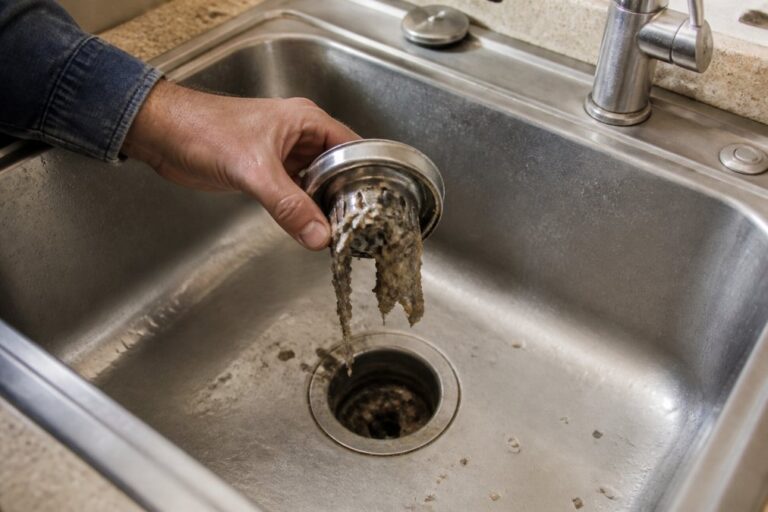
Hair is the number one cause of recurring clogs in bathroom drains. A single shower can shed 50-100 hairs. Over weeks and months, those hairs tangle together and trap soap, creating a blockage that slows water flow significantly.
Quick fixes:
- Install a hair catcher in your drain
- Clean the drain weekly with a drain snake
- Use a plunger to break up buildup before it hardens
Grease and Oil Accumulation in Kitchen Sinks
Grease is deceptive. When it’s hot, it flows down the drain easily. As it cools, it solidifies and sticks to your pipe walls. Over time, grease builds up into a thick layer that traps food particles and other debris.
Prevention steps:
- Never pour grease down the drain, let it cool and throw it away
- Use a grease trap under your sink to catch oils
- Run hot water for 30 seconds after washing greasy dishes
- Use a drain snake monthly to remove buildup before it hardens
Soap Scum and Product Residue
Soap doesn’t rinse away completely. Soap scum accumulates on pipe walls and combines with hair, minerals, and other debris. Shampoos, conditioners, and body washes leave behind residue that hardens over time.
What helps:
- Use less soap and shampoo
- Rinse thoroughly after washing
- Clean drains monthly with hot water or a drain snake
- Avoid products with heavy oils or silicones
Hard Water and Mineral Deposits
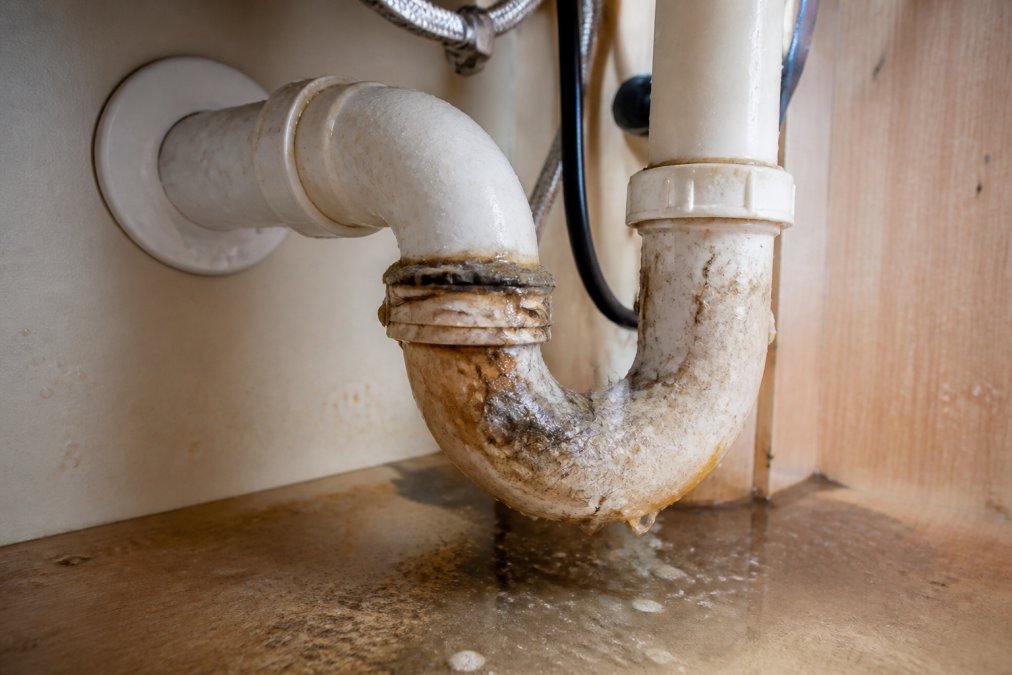
Hard water contains calcium and magnesium minerals (Hardness of Water). As water flows through your pipes, these minerals precipitate and form deposits on the inside of your pipes. Over months and years, mineral scale reduces the diameter of your pipes and slows water flow.
Signs of mineral deposits:
- All drains in your home drain slowly
- White or tan crusty buildup visible on faucet aerators
- Reduced water pressure throughout the house
- Recurring clogs even after professional cleaning
Improper Pipe Slope and Venting Issues
Your plumbing system relies on proper drainage slope and venting to work correctly. Pipes should slope downward at a slight angle so gravity moves water toward the main line. Venting allows air into the system so water flows freely.
Foreign Objects and Debris Accumulation
Kids flush toys. Dental floss goes down the drain. Food scraps, paper towels, and other objects create blockages. Unlike hair or grease, foreign objects don’t dissolve or break down.
Tree Root Intrusion in Sewer Lines
Tree roots seek moisture and nutrients in sewer lines. Roots grow through tiny cracks in pipes and create blockages that worsen over time. This typically affects the main sewer line, not individual drains.
Signs of a Main Sewer Line Blockage
A main sewer line blockage affects your entire plumbing system, not just one drain. Multiple drains backing up simultaneously is the clearest sign that your main line has a problem.
Watch for these warning signals:
- Multiple drains in your home drain slowly or back up at the same time
- Gurgling sounds coming from toilets or drains
- Raw sewage smell in your yard or basement
- Lush, unusually green patches of grass in your yard (caused by sewage)
- Slow drainage in lower-level fixtures (toilets, showers in basements)
Best Tools for Drain Cleaning and Removal
When you’re dealing with recurring clogs, the right tool makes all the difference. Some clogs you can clear yourself. Others require professional equipment and expertise.
Drain Snakes and Cable Augers
A drain snake is a flexible metal coil that breaks up clogs and pulls out debris. Hand-operated snakes work for minor clogs in individual drains. Motorized cable augers are more powerful and reach deeper into your plumbing system.
When to use a drain snake:
- Single drain is slow or completely clogged
- You’ve confirmed the clog is hair or soft debris
- The clog is in the trap or first few feet of pipe
Plungers and Wet-Dry Vacuums
A plunger creates pressure that can dislodge soft clogs. Wet-dry vacuums can suck out debris from drains. Both work best for fresh clogs that haven’t hardened yet.
Hydro-Jetting for Stubborn Blockages
Hydro-jetting uses high-pressure water to blast through clogs and clean pipe walls. Water pressure reaches high levels, which breaks up grease, mineral deposits, and debris with force.
Chemical Safety and Preventing Pipe Damage
Chemical drain cleaners are tempting. They’re cheap and available at any store. But they damage your pipes and create safety hazards.
Real risks of chemical cleaners:
- Corrode pipe walls and create leaks
- Damage pipe seals and connections
- Create toxic fumes that harm your lungs
- Splash back and burn skin or eyes
- Don’t actually solve recurring clog problems
Preventative Plumbing Maintenance Tips
Preventing recurring clogs is far easier than clearing them repeatedly. A simple maintenance routine keeps your drains flowing freely.
Monthly drain maintenance:
- Pour boiling water down drains to flush buildup
- Use a drain snake to remove hair and debris
- Clean drain covers and aerators
- Avoid pouring grease, food scraps, or products down drains
Quarterly inspections:
- Check under sinks for leaks or slow drainage
- Listen for gurgling sounds from drains
- Look for sewage smells or unusual odors
- Test all drains in your home to confirm they flow quickly
Annual professional cleaning:
- Have a plumber inspect your main line with a video camera
- Get professional hydro-jetting if you have recurring clogs
- Check for mineral deposits, grease buildup, or damage
- Address small problems before they become emergencies
When to Call a Professional Plumber
Some clogs are DIY territory. Others need professional expertise and equipment. Know when to call for help.
Call a professional if:
- A single drain clogs repeatedly despite your cleaning efforts
- Multiple drains back up at the same time
- You notice sewage smells or gurgling sounds
- Your home is older and you’ve never had the main line inspected
- Chemical cleaners haven’t solved the problem
- You see signs of tree root intrusion or pipe damage
Conclusion
Recurring drain clogs signal that something in your plumbing system needs attention. Hair, grease, mineral deposits, soap scum, improper pipe slope, foreign objects, and tree root intrusion are the seven most common causes. Most require different treatment approaches.
| Clog Cause | Signs | Best Solution |
|---|---|---|
| Hair buildup | Single drain slow, especially shower | Drain snake, hair catcher |
| Grease accumulation | Kitchen sink slow after cooking | Hydro-jetting, grease trap |
| Mineral deposits | All drains slow, white buildup on faucets | Hydro-jetting, water softener |
| Soap scum | Gradual slowdown in bathroom drains | Regular drain cleaning |
| Improper pipe slope | Recurring clogs in same location | Professional inspection, pipe repair |
| Tree roots | Multiple drains back up, sewage smell | Video inspection, pipe replacement |
| Main line blockage | All drains affected simultaneously | Professional hydro-jetting or repair |
Install a hair catcher in every shower drain and clean it weekly. This single step prevents 80% of recurring shower clogs and takes less than two minutes per week.
Never use chemical drain cleaners on recurring clogs. They damage your pipes and don’t solve the underlying problem. Once pipes corrode, repairs cost thousands of dollars.
Homeowners in Chester and Lancaster County experiencing recurring drain clogs that DIY methods haven’t solved. Professional inspection and hydro-jetting deliver permanent results where other approaches fail.
Frequently Asked Questions
What should I do if my drain keeps clogging repeatedly?
Start by identifying which drain is affected and what type of debris is causing the clog. Hair clogs often respond to a drain snake or plunger, while grease buildup requires hot water flushing. If the problem persists across multiple fixtures or returns within days, it signals a deeper plumbing system issue like improper drainage slope or a sewer line blockage. Document how often clogs return and which fixtures are affected, this helps a professional diagnose whether the issue is localized or affects your entire drainage system.
Is it safe to use chemical drain cleaners for recurring clogs?
Chemical cleaners can damage older pipes, PVC, and septic systems, and they’re ineffective against severe blockages caused by tree roots or pipe scale. For recurring clogs, chemical cleaners treat the symptom, not the cause. Mechanical methods like drain snakes and hydro-jetting remove the actual obstruction and are safer for your plumbing fixture integrity. If you do use chemicals, follow product instructions carefully, ensure proper ventilation, and never mix products. For persistent problems, mechanical cleaning or professional video camera inspection is a better long-term solution.
When is a recurring clog a sign of a main sewer line issue?
If multiple drains throughout your home are slow-draining or backing up simultaneously, or if clogs return every few weeks despite cleaning, you likely have a sewer lateral problem. Other warning signs include gurgling sounds from toilets, sewage odors, patches of extra-green grass in your yard (indicating a leak), and slow water drainage from all fixtures. A professional video camera inspection can confirm whether tree roots, pipe corrosion, or improper slope is blocking your main line. Don’t ignore these signs, untreated sewer line issues worsen quickly and become costly.
What are the best preventative maintenance tips for household drains?
Install hair catchers in shower and bathroom drains to reduce debris accumulation. Run hot water through kitchen drains weekly to prevent grease buildup, and avoid pouring cooking oils or starchy foods down sinks. Use drain screens on all fixtures, flush drains monthly with hot water and baking soda, and have your plumbing system inspected annually. For homes with hard water, consider a water softener to reduce mineral deposits and pipe scale. Regular maintenance prevents most common clogs and extends the life of your drainage system and plumbing fixture components.