

When a heating system starts needing frequent repairs, homeowners usually want a clear answer: should we repair what we have, replace it with another furnace, switch to a heat pump, or look into geothermal? The right choice depends on more than the brand on the equipment. It depends on your home, insulation, ductwork, fuel source, property layout, comfort goals, and how long you plan to stay in the house.
That is especially true in western Chester County, where homes can vary from older farmhouses and stone houses to newer developments in Honey Brook, Downingtown, Coatesville, Glenmoore, Morgantown, and nearby communities. One home may be a great fit for a modern high-efficiency heat pump. Another may still make sense with a gas furnace, oil boiler, or hybrid system. A larger property may even be a strong candidate for geothermal.
Barber Plumbing & Heating works on a full range of residential HVAC systems, including furnaces, boilers, electric heat pumps, baseboard heaters, and geothermal systems. Homeowners comparing options can start with Barber’s Heating & Cooling HVAC services or schedule an in-home estimate when it is time to talk through repair and replacement choices.
Start With the Home, Not Just the Equipment
A heating system is only one part of your comfort. Before choosing equipment, it helps to look at how the whole house performs. Drafty windows, undersized ductwork, poor airflow, uneven insulation, and thermostat issues can make even a newer system feel disappointing. A properly sized system installed in a well-sealed home can run more steadily and keep rooms more even.
A good replacement conversation should include the age of the current system, repair history, duct condition, fuel source, cooling needs, comfort complaints, and budget. The best option is the one that matches the home instead of forcing the home to fit the equipment.
Option 1: A High-Efficiency Furnace or Boiler
For many Chester County homes, replacing an older furnace or boiler with a modern high-efficiency model is the most straightforward path. If your home already has reliable ductwork for forced air or hydronic piping for a boiler, a similar replacement may keep the project simpler and limit changes to the home.
A furnace may be a good fit when the home already uses natural gas, propane, or oil, the ductwork is in solid condition, and the homeowner wants strong heat output on very cold days. A boiler may make sense in homes with radiators, baseboard heat, or existing hydronic systems.
Barber’s New Heater & Furnace Installation team can evaluate whether repair, replacement, fuel conversion, or an upgraded HVAC system makes the most sense. This is especially useful when a system is 15 to 20 years old, needs repeated service, or no longer keeps the home comfortable.
The main tradeoff is that fossil-fuel systems still rely on oil, gas, or propane. If your long-term goal is to reduce fuel deliveries, add central cooling, or move toward electric equipment, a heat pump or geothermal system may deserve a closer look.
Option 2: An Electric Heat Pump
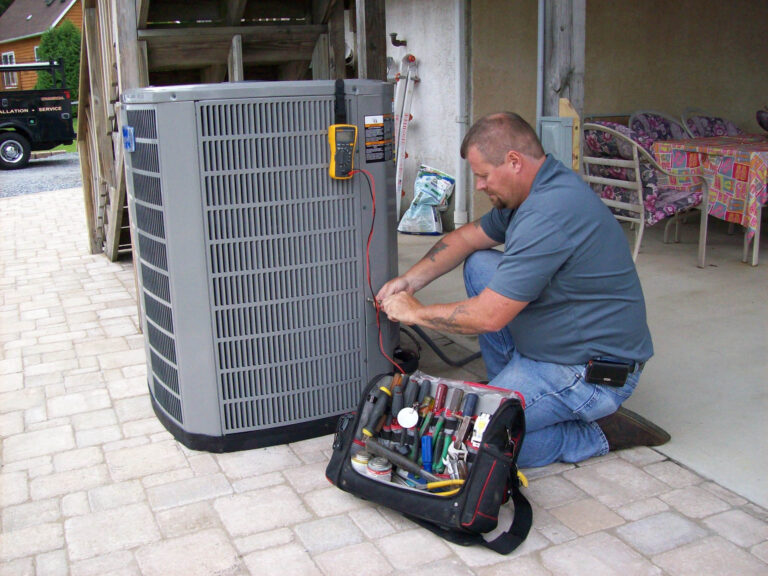
An air-source heat pump works differently from a furnace. Instead of creating heat by burning fuel, it moves heat. In winter, it pulls heat from outdoor air and transfers it inside. In summer, it reverses the process and works like an air conditioner. That two-in-one function is one reason many homeowners consider heat pumps when replacing both heating and cooling equipment.
The U.S. Department of Energy explains that heat pumps can provide heating and cooling in one system, and modern systems are available for many types of homes. ENERGY STAR certified air-source heat pumps are designed to provide efficient comfort by moving heat in and out of the home depending on the season.
A heat pump may be a strong fit if you want heating and cooling from one system, your home has usable ductwork or is a candidate for ductless equipment, you are replacing an older central air conditioner, or you want to reduce oil or propane use. Some homes use a heat pump as the main comfort system, while others use a hybrid setup with a backup furnace for the coldest days.
The details matter. Equipment sizing, duct condition, thermostat setup, backup heat strategy, and insulation all affect performance. That is why an on-site assessment is more useful than choosing a system from a square-footage estimate alone.
Option 3: Geothermal Heating and Cooling
Geothermal is often the most interesting option for homeowners who plan to stay in their home and want long-term efficiency. A geothermal heat pump uses the steady temperature below the ground to exchange heat. In the winter, it moves heat from the ground into the home. In the summer, it helps move heat from the home back into the ground.
The Department of Energy’s geothermal heat pump resource notes that these systems use the relatively constant temperature of the shallow earth to heat homes in winter and cool them in summer. Barber has been installing geothermal exchange systems since 1998 and is an IGSHPA certified geothermal provider. Learn more through Barber’s Geothermal service page.
Geothermal may be a good fit for a larger property, a new construction project, a major renovation, or a homeowner who wants one system for heating, cooling, and long-term energy savings. The biggest consideration is installation. Geothermal requires underground loop work, which means the property, soil conditions, project access, and budget all need to be evaluated.
For the right home, the benefits can be significant: steady comfort, quiet operation, low maintenance requirements, and strong long-term efficiency. For the wrong property or timeline, the upfront scope may not make sense. A consultation helps sort out which side of that line your home falls on.
Not sure whether repair or replacement makes more sense? Barber Plumbing & Heating can evaluate your current system, review your options, and help you plan the right heating upgrade for your Chester County home. Request a free in-home heating replacement estimate.
Questions to Ask Before Replacing Your Heating System
Before you choose a furnace, heat pump, or geothermal system, ask a few practical questions. How old is the current system? Are some rooms consistently too hot or too cold? Do you want to add or improve central air conditioning? Are you trying to reduce oil, propane, or electric resistance heating costs? How long do you expect to stay in the home?
Tax credits and incentives can change over time, so homeowners should confirm current eligibility before making a decision. ENERGY STAR maintains information about federal tax credits for air-source heat pumps, and Barber can help you understand what system types may qualify before you speak with your tax professional.
These questions can also uncover opportunities that are easy to miss. If you are replacing an aging furnace and old air conditioner at the same time, a heat pump may reduce the need for separate equipment. If you are improving insulation or sealing air leaks, the home may need a different system size than it did years ago. If you have acreage and long-term
Why Local Installation Experience Matters
Local experience matters because heating decisions are partly about the house and partly about the area. Chester County homes deal with cold winter nights, humid summers, a mix of rural and suburban properties, and a wide range of home ages. A contractor who works in Honey Brook, Coatesville, Downingtown, Glenmoore, Thorndale, Morgantown, and surrounding communities sees those differences every day.
Barber’s Heating Repair & Maintenance team services furnaces, heat pumps, boilers, and related equipment, which gives homeowners a practical repair-or-replace perspective. The company also serves a broad local footprint across Chester County and nearby areas, listed on its Service Area page.
A good installer should explain tradeoffs in plain language. Homeowners should come away understanding what is being recommended, why it fits the home, what work is included, and what maintenance will help protect the investment.
Plan Your Heating Replacement Before It Becomes an Emergency
The best time to compare heating systems is before the old one fails. An emergency replacement usually limits your options because the priority becomes getting heat back as quickly as possible. Planning ahead gives you time to compare equipment, ask about efficiency, review financing, consider available incentives, and schedule the project before the first hard cold snap.
If your system is older, noisy, uneven, expensive to run, or becoming unreliable, Barber Plumbing & Heating can help compare furnace, heat pump, and geothermal options based on the home itself. Contact Barber Plumbing & Heating to schedule a heating replacement estimate or ask whether your current system should be repaired or replaced.
FAQs About Heating System Replacement in Chester County
It depends on the age, condition, and compatibility of the equipment. If both systems are older, replacing them together may improve efficiency, comfort, and system matching. It can also be a good time to consider a heat pump because it provides both heating and cooling.
Geothermal can be worth considering for existing homes, especially when the property has enough usable space and the homeowner plans to stay long enough to benefit from long-term efficiency. The upfront project is larger than a standard replacement, so a site-specific consultation is important.
Look at the age of the system, repair frequency, comfort problems, energy bills, and whether major components are failing. If the system is nearing the end of its expected life and repair costs keep rising, replacement may be the better long-term decision.