

Table of Contents
- What Affects Water Heater Replacement Cost
- Tankless Water Heater Installation Cost 2026
- Signs You Need a New Water Heater
- How Long Does Water Heater Installation Take
- Labor vs. Material Costs Breakdown
- Permits, Inspections, and Hidden Costs
- Emergency vs. Scheduled Replacement
- Frequently Asked Questions
Last Updated: September 27, 2026
What Affects Water Heater Replacement Cost
The average cost to replace water heater 2026 varies dramatically based on what you’re installing and how complex your home’s setup is. A straightforward swap might run one price. A unit that requires new venting, upgraded gas lines, or electrical work will cost significantly more.
Understanding these cost drivers helps you budget accurately and avoid surprises when the plumber gives you the estimate.
Unit Type and Capacity
Tank water heaters come in standard sizes: 40, 50, and 75 gallons. Larger capacity means higher price. A 40-gallon tank costs less than a 75-gallon unit. Tankless water heaters cost more upfront but deliver endless hot water and take up minimal space.
Point-of-use heaters (small units for a single sink or shower) are the cheapest option. Whole-house units are the most expensive.
Fuel Source: Gas vs. Electric
Gas water heaters heat water faster and typically cost less to operate long-term. But they require proper venting and a gas line connection. Electric water heaters are simpler to install and work anywhere. They cost more to run monthly.
The fuel source you choose affects both the unit price and installation complexity. Gas units often need venting upgrades. Electric units may require electrical circuit upgrades.
Installation Complexity and Venting Requirements
Some homes have straightforward installations. Others need new venting, water pressure regulators, or thermal expansion tanks. Older homes may lack proper venting or gas line capacity.
Venting is critical for gas water heaters. Poor venting creates safety hazards. Upgrading venting adds labor and materials to your total cost.
Ask your plumber to inspect your existing venting and gas line before quoting. Hidden upgrades often surprise homeowners mid-project.
Tankless Water Heater Installation Cost 2026
Tankless water heaters cost more upfront than traditional tanks. You pay for the unit itself, plus labor to install it, plus potential upgrades to your gas line or electrical panel.
The benefit is lower operating costs over time. Tankless units heat water on demand. They don’t waste energy keeping a full tank hot 24/7.
Installation typically takes longer than a tank replacement because venting and gas line requirements are stricter. Your plumber may need to run new lines or upgrade existing ones. This adds hours to the job.
Point-of-use tankless heaters (for one bathroom or kitchen) install faster and cost less. Whole-house tankless units require more infrastructure work.
Tankless units make sense if you use hot water heavily and plan to stay in your home long-term. The higher upfront cost pays back through energy savings over 10-15 years.
Signs You Need a New Water Heater
Most water heaters last 8-12 years. Some last longer. Some fail earlier.
Age and Lifespan Expectations
Check the manufacturer’s date on your water heater. If it’s past 10 years old, replacement is approaching. At 12+ years, failure is imminent.
Older units lose efficiency. They cost more to operate. Replacing an aging unit before it fails saves you from emergency repairs and the stress of no hot water.
Performance Issues and Rust
Rusty, discolored water from your hot tap signals corrosion inside the tank. Sediment buildup reduces heating efficiency. Leaks around the base mean the tank is failing.
Strange noises (popping, crackling) indicate sediment on the heating element. This is a sign the unit is struggling and won’t last much longer.
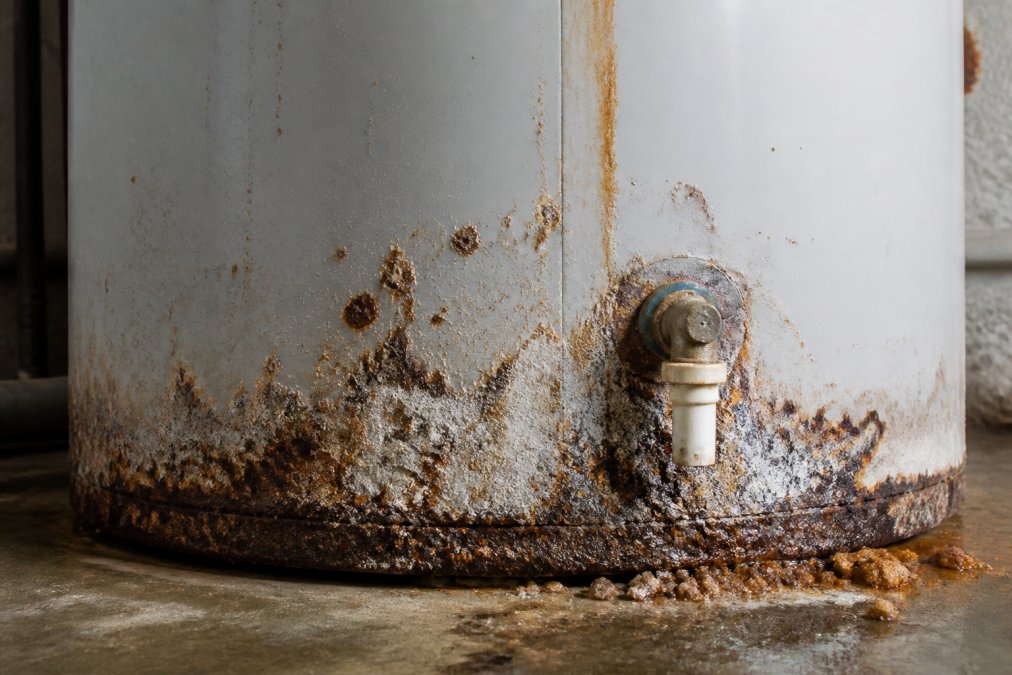
If your water heater is leaking, don’t wait. A slow leak becomes a flood. Replacement now beats water damage later.
How Long Does Water Heater Installation Take
A straightforward tank replacement takes 2-4 hours. Your plumber disconnects the old unit, removes it, and installs the new one.
If upgrades are needed (new venting, gas line work, electrical upgrades), add 4-8 hours or more. A complex installation might span two days.
Emergency replacements often happen faster because plumbers prioritize getting you hot water back.
Never attempt water heater replacement yourself. Gas connections, electrical work, and venting require licensed professionals. Improper installation creates fire and carbon monoxide hazards.
Labor vs. Material Costs Breakdown
Your total water heater replacement cost splits into three categories: the unit itself, labor, and permits/upgrades. Understanding this breakdown helps you evaluate quotes and identify where costs are justified.
Unit Cost (40-50% of total)
- Basic tank water heater (40-50 gallon, standard efficiency): $400-$800
- High-efficiency tank water heater (0.90+ thermal efficiency): $800-$1,200
- Tankless gas water heater: $1,200-$2,500
- Heat pump water heater: $2,000-$3,500
- Point-of-use electric heater (single sink/shower): $150-$400
Labor Cost (30-40% of total)
- Disconnecting and removing the old unit
- Installing the new unit
- Making water, gas, or electrical connections
- Testing for leaks and proper operation
- Hauling away the old unit
What Increases Labor Cost:
- Venting upgrades: Adding or rerouting venting adds 2-4 hours and $300-$800 in labor.
- Gas line work: Running new gas line or upgrading existing line adds 3-6 hours and $400-$1,200 in labor.
- Electrical work: Installing a new 240-volt circuit for an electric unit adds 2-4 hours and $300-$600 in labor (plus electrician fees if your plumber subcontracts).
- Removal complexity: Removing a unit in a tight basement or attic adds 1-2 hours.
- Location: Urban areas and regions with higher cost of living see labor rates 20-40% higher than rural areas.
Permits and Code Upgrades (10-20% of total)
- Permit fee: $50-$150
- Thermal expansion tank: $150-$300
- Pressure regulator: $100-$250
- New shut-off valve: $50-$150
- Venting or gas line upgrades: $200-$1,200
- Electrical upgrades: $300-$2,000
How to Validate a Quote
- Unit cost
- Labor (hours and hourly rate)
- Permits and upgrades (itemized)
Get at least two quotes before committing. Compare not just the total price but the breakdown. A lower total might hide poor-quality work or missing upgrades. A higher total might include unnecessary add-ons.
Permits, Inspections, and Hidden Costs
Most jurisdictions require permits for water heater replacement. Permits ensure the installation meets building code and typically cost $50-$150 depending on your location. The permit fee is separate from the unit and labor costs, but it’s a non-negotiable expense.
Building Code Compliance and Upgrades
Common code-required upgrades include:
- Thermal expansion tank ($150-$300 installed). Required in most jurisdictions when the water heater connects to a closed water supply system. Without it, pressure buildup can damage the tank and fixtures.
- Upgraded venting ($200-$800). Older homes may have undersized or deteriorated venting. Gas water heaters require proper venting to exhaust combustion gases safely. Venting that doesn’t meet current code creates carbon monoxide hazards.
- Water pressure regulator ($100-$250 installed). If your home’s water pressure exceeds 80 PSI, code requires a regulator to protect the tank and plumbing.
- New shut-off valve ($50-$150). Older valves may be corroded or non-functional. A working shut-off is required for code compliance and future maintenance.
- Gas line upgrade ($300-$1,200). If your existing gas line is undersized or corroded, it must be replaced to safely supply the new unit.
- Electrical panel upgrade ($500-$2,000). Electric water heaters may require a dedicated 240-volt circuit. Older panels may lack capacity, requiring an electrician to add a new breaker or upgrade the service.
Ask your plumber upfront which upgrades are required by local code versus optional for efficiency. Required upgrades must be completed for the permit to be signed off. Optional upgrades (like a Wi-Fi-enabled unit) are your choice.
Federal Tax Credits and Rebates
Federal Tax Credit Details:
- Energy-efficient gas water heaters: Up to $600 tax credit for ENERGY STAR-certified models with thermal efficiency of 0.90 or higher.
- Heat pump water heaters: Up to $2,000 tax credit. Heat pump models are the most efficient option available and qualify for the highest credit.
- Solar water heaters: Up to $2,000 tax credit for solar thermal systems.
- Income limits apply: Credits phase out for higher-income households. Consult the IRS or a tax professional to confirm eligibility.
Local Utility Rebates:
- Gas utilities often rebate $300-$500 for upgrading to a high-efficiency gas water heater.
- Electric utilities may rebate $500-$1,500 for heat pump water heater installations (because they reduce grid demand).
- Some utilities offer instant rebates at the point of purchase; others require mail-in submission.
Real-World Example:
Heat pump water heaters make financial sense if you qualify for the $2,000 federal credit and your utility offers a rebate. The combined incentives often make them cheaper than standard gas or electric units over their lifetime.
Emergency vs. Scheduled Replacement
An emergency replacement happens when your water heater fails suddenly. No hot water. Possible flooding. You need a solution now.
Scheduled replacement gives you time to:
- Get multiple quotes
- Plan the installation around your schedule
- Budget for the full cost
- Arrange financing if needed
Frequently Asked Questions
What’s a fair price to replace a water heater?
A fair water heater replacement cost depends on unit type, fuel source, capacity, and installation complexity. Tank water heaters typically cost less upfront than tankless models. Labor costs vary based on whether gas line upgrades, electrical circuit capacity increases, or venting modifications are needed. Request quotes from licensed professionals to compare pricing. Avoid unusually low bids that skip permit and inspection requirements, as code violations create costly problems later.
How much does labor cost for water heater installation?
Labor costs for water heater installation vary based on job complexity. A straightforward replacement on an existing unit costs less than installing a tankless water heater or upgrading gas lines and electrical capacity. Emergency replacement at night or on weekends may include additional fees. Professional installation typically takes 2-4 hours for standard tank units.
Is it cheaper to repair or replace a water heater?
If your water heater is under 8 years old and the repair cost is less than 50% of replacement cost, repair may be worthwhile. However, if the unit is over 10 years old, leaking, or producing rusty water, replacement is usually more economical long-term. Repeated repairs on an aging unit waste money that could go toward a new, energy-efficient model with warranty coverage and better recovery rate performance.
Does the type of water heater significantly change the replacement price?
Yes. Tankless water heater installation costs more upfront than traditional tank models due to gas line upgrades, venting requirements, electrical circuit modifications, and professional installation complexity. However, tankless units offer higher energy efficiency ratings and lower operating costs over their lifespan. Tank water heaters are more affordable initially but have higher energy consumption. Consider long-term savings and your home’s plumbing infrastructure when comparing types.