

Last Updated: November 12, 2026
Quick Summary
A whole house water softener is usually worth it above about 7 gpg of hardness with clear scale, stiff laundry, or crusted fixtures, and often not worth it under about 3 gpg with few symptoms. Between 3 and 7 gpg, the decision depends on your water heater, household size, and how bad the symptoms are.
- Test your water in grains per gallon before shopping, since every decision depends on that number.
- A well-maintained softener lasts 10 to 15 years, and most failures trace back to no salt and no cleaning.
- High iron or sediment needs pretreatment first, or resin beads foul early and repairs rise.
- Plan a sediment filter first, softener second, and carbon filtration after for taste and odor.
- Above 7 gpg with clear scale, a softener is usually justified and should be sized to peak demand.
Table of Contents
- How to Tell If Your Home Actually Has Hard Water
- Whole-House Water Softener Pros and Cons
- What a Whole-House System Costs to Buy and Run
- The Best Water Softener for Well Water
- Pairing a Water Softener and Filtration System for Home Use
- Water Softener Maintenance and Lifespan
- When a Softener Is the Wrong Purchase
- Getting a Water Softener Assessment for Your Home
- Frequently Asked Questions
How to Tell If Your Home Actually Has Hard Water
Hard water carries dissolved calcium and magnesium picked up as it moves through soil and rock. Water softeners reduce hardness, but softening can use a significant amount of water.
At Barber Plumbing & Heating, we are a multi-generational family owned business with over 75 years of combined experience, and plenty of “hard water” complaints turn out to be something else.
Here is what hard water usually looks like in a house:
- White crust on faucets, shower heads, and the dishwasher door
- Spots on glasses and silverware straight out of the wash
- Soap that will not lather, or a film left on skin after showering
If you see two or three of these, a hardness test is the next step. If you see none, keep reading anyway, because the answer may save you money.
Reading a Hardness Test in Grains per Gallon
Hardness is measured in grains per gallon (gpg). That number is the single most useful figure you can have before shopping.
A hardware-store test kit costs little and takes minutes: fill the vial, add drops, match the color.
Write the number down, every decision later in this guide depends on it. The hard water signs in Chester County homes page covers local testing guidance in more detail.
Whole-House Water Softener Pros and Cons
A whole-house water softener trades one set of problems for another, and the trade is usually worth it above a certain hardness level, below that, it often is not.
The pros are real:
- Scale stops building up inside pipes and the water heater
- Appliances that heat water tend to last longer
- Less soap, detergent, and shampoo does the same job
The cons are just as real:
- Upfront equipment and installation cost
- Ongoing salt purchases and hauling
- A regeneration cycle that uses water
What the EPA Says About Water Use
Softeners can use a significant amount of water during softening, and proper selection and maintenance help prevent unnecessary waste (the EPA). That is not a reason to skip a softener, it is a reason to size it correctly and keep it running right.
What a Whole-House System Costs to Buy and Run
Many cost guides stop at the sticker price. The useful question is what a softener costs over 5, 10, and 15 years, and whether the savings ever catch up. Here is a lifetime-cost framework you can fill in with your own quotes and utility bills.
The Four Cost Buckets
Every whole-house softener has four cost buckets. Estimate each one separately so you can see which drives your total.
- Equipment. Driven by grain capacity, flow rate, and brand tier. A basic city-water unit and a high-capacity well-water unit are not the same purchase.
- Installation. Driven by plumbing changes, location, electrical access, and whether a bypass and drain line already exist. Get two written quotes and compare line items, not just totals.
- Salt and regeneration water. Driven by hardness, household size, and unit efficiency, this bucket compounds over time.
A 5-, 10-, and 15-Year Cost Model
Use this worksheet with your own numbers. The point is not a single figure, it is seeing which assumptions move the answer.
| Cost Bucket | 5-Year View | 10-Year View | 15-Year View |
|---|---|---|---|
| Equipment + installation (one-time) | Full amount | Full amount | Full amount |
| Salt (bags per month × 12 × years) | 60 months | 120 months | 180 months |
| Regeneration water (utility delta) | 60 months | 120 months | 180 months |
| Maintenance and minor repairs | 1-2 service visits | 2-4 service visits | 3-6 service visits |
| Replacement | None | Possible | Likely once |
Fill the salt row by tracking bags used per month for the first 90 days. Fill the water row by comparing two utility bills before and after installation. Those two rows are where most estimates go wrong, because they depend on your hardness and household size, not the equipment brochure.
Sensitivity: What Changes the Answer
Run three scenarios against your own numbers:
- Low hardness, small household. Salt and water costs stay low, but so do the savings, payback may stretch past the equipment’s life.
- High hardness, large household, gas water heater. Scale reduction protects a costly appliance, and soap savings show up monthly. Payback is usually shortest here.
- High iron or sediment without pretreatment. Resin fouls early, repairs rise, and the lifetime math deteriorates. Pretreatment belongs in the model, not as an afterthought.
Watch out: a quote that bundles equipment and installation into one number hides which line is negotiable. Ask for the split.
The Savings Claims, Handled Honestly
Some claims suggest softened water cuts water-heating costs, but such figures are rarely linked to an underlying study. Treat them as a claim, not a guarantee. Reason from your own appliances instead: if your water heater is already crusted and fixtures scale within weeks, the case is stronger; if hardness is low, the savings may never catch the cost.
2026 Cost Assumptions to Watch
Salt prices, utility rates, and equipment costs all move. Before you commit, confirm three current numbers: the per-bag salt price at your local supplier, your utility’s per-gallon rate, and the installed quote’s expiration date. Re-run the worksheet whenever any of those changes materially.
The Best Water Softener for Well Water
Well water changes the shopping list. The best water softener for well water is one sized for your actual hardness and paired with pretreatment if your water carries iron or sediment.
Private well water testing is the owner’s responsibility (the EPA). Test for hardness, iron, manganese, and bacteria before you buy anything.
For well owners, we usually recommend:
- A sediment prefilter ahead of the softener
- A softener sized to peak household demand, not average
- A bypass valve so you can service the unit without losing water
That last point matters. If your well pump needs attention, our well pump installation and repair service covers diagnosis and replacement.
Pairing a Water Softener and Filtration System for Home Use
A softener and a filter do different jobs, and most homes that need one need both.
Softeners remove hardness minerals through ion exchange (the EPA). Filters remove sediment, chlorine, taste, and odor. Neither replaces the other. Softeners address hardness, while whole-house filters address impurities and taste.
A practical setup looks like this:
- Sediment filter first, to protect everything downstream
- Softener second, to stop scale
- Carbon filtration after, for taste and odor
- Reverse osmosis at the kitchen sink, if you want bottled-quality drinking water
Watch out: skip the sediment stage and your resin beads pay the price. That is the most common installation mistake we correct.
Water Softener Maintenance and Lifespan
A well-maintained softener lasts 10 to 15 years. Neglect cuts that short, and most failures we see trace back to two things: no salt and no cleaning.
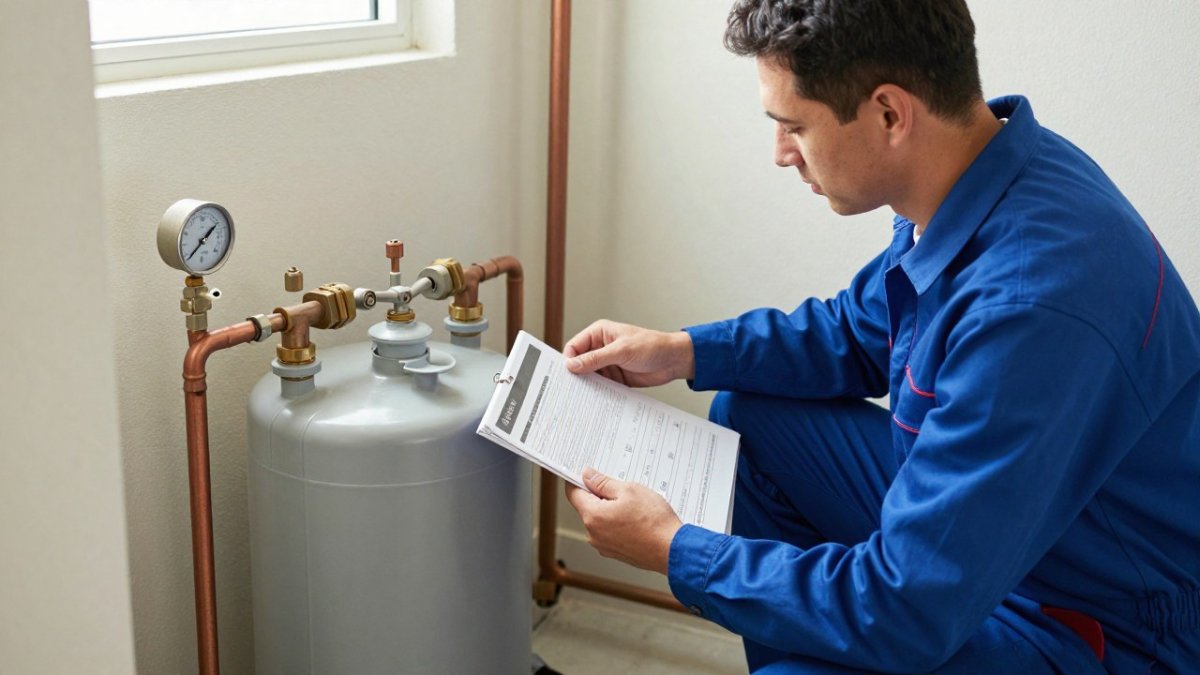
Keep the brine tank about half full of salt and break up any crust that forms. Clean the tank once a year.
Signs the unit needs service:
- Water feels hard again
- Salt sits in the tank without dissolving
- The unit runs through salt fast
A softener that keeps regenerating is wasting water and salt. That is a repair, not a replacement.
When a Softener Is the Wrong Purchase
A softener is the wrong purchase more often than sales pages admit. The decision should start with your hardness number, not with a product category. Here is a test-based framework that separates mild hardness from problems likely to justify treatment.
A Hardness Threshold Decision Tree
Start with your grains per gallon (gpg) result and your actual symptoms.
- Under about 3 gpg, few or no symptoms. Skip the softener, the lifetime math rarely works. Spend the money elsewhere.
- Under about 3 gpg, but spotting or soap film bothers you. Try targeted fixes first: a rinse aid, a descaling routine, or an appliance-level treatment. A whole-house system is likely overkill.
- About 3 to 7 gpg with moderate symptoms. This is the judgment zone. A softener can make sense with a gas water heater, a large household, or visible scale; if symptoms are mild, a salt-free conditioner or descaling may be enough.
These thresholds are a starting point, not a rule. Symptom severity tracks hardness loosely, two homes at the same gpg can feel very different depending on water use and appliance mix.
Alternatives and No-Purchase Options
Before buying a whole-house softener, compare it against the options that do not require one:
- Do nothing. For low hardness and mild symptoms, this is a legitimate choice. Track whether symptoms worsen over a season.
- Targeted descaling. Periodic descaling of the water heater and fixtures addresses scale without a whole-house system. It is labor, not equipment.
- Appliance-level treatment. A dishwasher rinse aid or point-of-use filter can solve a specific complaint without touching the main line.
When the Real Problem Is Not Hardness
Some complaints that sound like hard water are plumbing or pressure issues. Skip the softener and diagnose first if:
- Your complaint is low pressure, which calls for a plumbing or well pump diagnosis.
- Your complaint is taste or odor, which calls for filtration.
- Your water has high iron that needs treatment before any softener.
Whether a softener is worth it depends on the water’s hardness, its effects in your home, and what you actually want to fix. That is a decision, not a default. If your test lands in the judgment zone, get an assessment before you buy, and be willing to hear that your water is fine as it is.
Getting a Water Softener Assessment for Your Home
An assessment answers three questions: how hard is your water, what size system fits your home, and what will it take to install. That is the whole job.
Bring your test results if you have them. If you need testing, contact Barber Plumbing & Heating to discuss an assessment.
An assessment can help determine whether a softener, filter, both, or neither is appropriate.
To schedule, contact us for an appointment, or call for urgent water issues. Our water conditioning service covers softener installation and setup for local homes.
Hard water is a solvable problem, but only after you know your number. Test first, size second, install third.
Frequently Asked Questions
What are the downsides of using a home water softener?
The main downsides are water use and upkeep. Softening can use a significant amount of water, and the system needs regular salt refills and periodic servicing. Softened water also adds sodium, so anyone on a sodium-restricted diet should check with a doctor about drinking it. Finally, a softener treats hardness minerals only. It does not remove sediment, taste, or other contaminants, so it is not a substitute for filtration.
Do plumbers recommend water softeners?
Many plumbers recommend a softener when a hardness test shows high levels of calcium and magnesium, because scale buildup stresses water heaters, fixtures, and appliances. The recommendation should follow the test, not precede it. Consumer Reports notes that whether a softener is worthwhile depends on the water’s hardness, its effects in the home, and what the homeowner wants to improve. Ask for test results in grains per gallon before you commit to a whole-house system.
Is a water softener a good choice for well water?
It can be, but well water needs a full test first. A softener handles hardness minerals, yet well water can also carry iron, sediment, or bacteria that a softener will not fix and that can foul the resin beads. Test for hardness, iron, and other parameters, then choose a system sized to your household and flow rate. A water softener and filtration system for home use often makes sense together on a private well.
How long does a whole-house water softener last?
Lifespan depends on water quality, how often the unit regenerates, and whether salt levels and resin care are maintained. Lifespan depends on water quality, how often the unit regenerates, and whether you keep up with salt levels and resin care. Proper selection and maintenance help prevent unnecessary water waste, which also protects the equipment. Budget for service visits and eventual replacement.