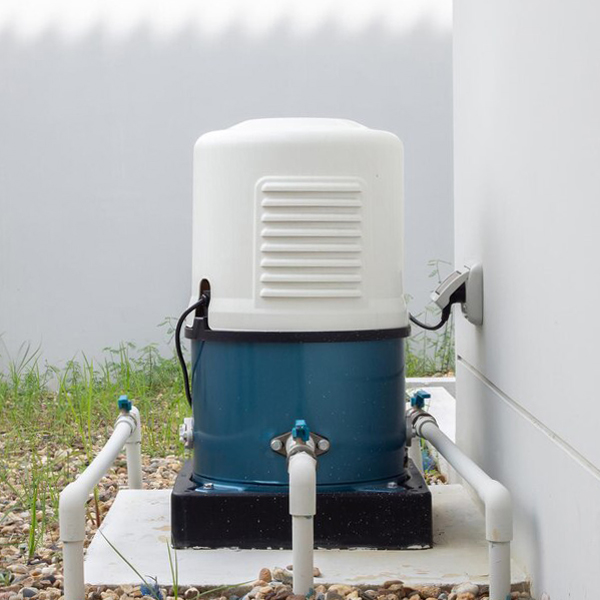


Quick Summary
Well pumps typically last 10 to 15 years, but age alone does not confirm a pump is failing. Here is what to watch for and what to do next.
Watch for these signs
Weaker pressure, rapid cycling, intermittent flow, longer run times, new sediment, or a sudden loss of water.
Diagnose the whole system
Pump, pressure tank, switch, and well yield should be checked together, not the pump alone.
Repair or replace
Repair often fits an isolated, serviceable failure. Replacement fits repeated problems or rising repair costs.
Serving Honey Brook & Chester County
24/7 emergency service for no-water calls, plus scheduled well-system evaluations.
When your home depends on a private well, the pump is what turns groundwater into usable water at the faucet. It may work quietly for years, which makes it easy to forget about until pressure drops or the water stops completely.
For homeowners in Honey Brook and other parts of Chester County, knowing the age of the pump and recognizing early warning signs can help you schedule service before a small performance problem becomes a no-water emergency.
How Long Does a Well Pump Usually Last?
There is no exact expiration date for a residential well pump. Pump type, installation quality, water conditions, household demand, pressure-tank performance, and electrical conditions all affect service life.
As a practical planning benchmark, a Washington State Department of Health small-water-system guide lists an estimated 10 to 15 years of life expectancy for submersible well pumps. A residential pump may fail sooner or keep operating longer, so age is best treated as one piece of the diagnosis, not an automatic replacement deadline.
If your pump is approaching or beyond that general range and you are also seeing pressure or cycling problems, it is a good time to have the system evaluated. Barber Plumbing & Heating provides well pump installation and repair for homes throughout the Honey Brook and Chester County area.
A general planning benchmark, not an automatic replacement deadline. Actual lifespan depends on pump type, installation quality, water conditions, and household demand.
Source: Washington State Department of Health small water system guidance (link above)
What Determines Well Pump Lifespan?
Pump Cycling and Pressure-Tank Condition
Frequent starts and stops create wear. The pressure tank helps limit that cycling by storing pressurized water between pump runs. Goulds Water Technology’s residential water-system technical manual explains that pressure tanks help prevent excessive short cycling and should be sized so the pump runs long enough during each cycle.
If a pressure tank loses its proper air charge, the pump may start and stop much more often than it should. That does not automatically mean the pump itself is bad, but ignoring the condition can add stress to the pump and other components.
Water Quality and Sediment
Sand, sediment, mineral buildup, and corrosive water can affect well-system components over time. Penn State Extension’s well maintenance guidance notes that wells need regular maintenance for adequate flow and water quality, and that well performance can decline as a system ages.
If you regularly see sediment, staining, or other water-quality symptoms, do not treat the pump as an isolated component. The water itself may be contributing to wear or pointing to a separate well issue. Barber’s water conditioning services can be considered when testing shows a treatment need.
Household Demand and System Sizing
A correctly sized pump should meet household demand without unnecessary cycling or excessive run time. Added bathrooms, irrigation, or heavier water use can expose limitations in an older system. Diagnosis should consider the pump, pressure tank, well yield, piping, and water use together.
7 Signs Your Well Pump May Need Repair or Replacement
None of these symptoms proves the pump must be replaced. A pressure tank, switch, leak, clogged filter, low-yield well, or electrical problem can cause similar symptoms. Treat the signs as a reason to have the full system checked.
1. Water Pressure Is Getting Weaker
A gradual drop in whole-house water pressure can be an early sign that the pump is struggling to deliver the same flow it once did. Before blaming the pump, check whether the problem is limited to one fixture. A clogged aerator or local plumbing issue can look like a pump problem. When pressure is weak throughout the house, the well system deserves a closer look.
2. The Pump Starts and Stops Rapidly
Rapid on-and-off cycling, often called short cycling, is not normal. A pressure-tank or pressure-switch problem is a common cause. Because repeated starts add stress to the system, this is worth addressing promptly even if water is still flowing.
3. Water Flow Becomes Intermittent
A faucet that alternates between normal flow and weak flow can signal a pressure problem, pump issue, low well yield, air entering the system, or another fault. Intermittent service is especially important to investigate when it is happening at multiple fixtures.
4. It Takes Longer to Build Pressure
If the pump runs much longer than it used to before reaching shutoff pressure, the system may be losing efficiency. Possible causes include pump wear, a plumbing leak, pressure-system problems, a restriction, or a change in well conditions.
5. You See New Sediment or Cloudiness
New sand, grit, or cloudiness should not be ignored. It can be related to the well itself, changing groundwater conditions, or a disturbance in the system. The Pennsylvania DEP overview of well contaminants explains that well location, construction, geology, surface activity, and heavy rain can all influence private-well water quality.
6. The Pressure Switch or Tank Area Is Acting Differently
Repeated clicking, unusual cycling patterns, or obvious changes around the pressure tank can indicate a control or tank problem. These components work with the pump, so a technician should diagnose them as a system rather than replacing the pump based on one symptom.
7. You Suddenly Have No Water
No water is the clearest sign that something in the well system has failed, but the pump is not the only possibility. Power loss, a tripped breaker, a pressure switch, low well level, a plumbing problem, or another component can interrupt service. Barber’s existing guide on what to check when your well stops producing water covers the first safe checks a homeowner can make before scheduling service.
Repair or Replace the Well Pump?
A repair can make sense when the pump itself is still in good condition and the failure is isolated to a serviceable component. Replacement becomes more attractive when an older pump has repeated problems, can no longer maintain needed pressure or flow, or the cost of continued repairs is approaching the cost of a more reliable system.
The pressure tank should be evaluated at the same time. A failing tank can make a healthy pump behave badly. A qualified technician can check pressure, cycling, electrical operation, and well performance to identify the component that is actually responsible.
How to Help Your Well Pump Last Longer
- Do not ignore short cycling. Have the pressure tank and switch checked if the pump is starting and stopping rapidly.
- Address sediment and water-quality changes. Testing can help determine whether the issue is cosmetic, mechanical, or related to a contaminant.
- Keep the area around the well protected from surface drainage, damage, and contamination sources.
- Pay attention to gradual changes in pressure or run time rather than waiting for complete failure.
- Keep records of pump installation, repairs, pressure-tank work, and water tests so future troubleshooting starts with better information.
These steps cannot guarantee a specific lifespan, but they can help catch problems early and make replacement easier to plan before an emergency.
Well Pump Service for Honey Brook and Chester County
Barber Plumbing & Heating is based in Honey Brook and serves homeowners throughout western Chester County and surrounding areas. The team is certified by the Chester County Board of Health for pump installation and provides 24/7 help for well-pump emergencies.
If your pressure is dropping, the pump is cycling abnormally, or you are not sure how old the system is, schedule a well-system evaluation before assuming replacement is the only answer. Barber serves communities including Honey Brook, Coatesville, Downingtown, Glenmoore, Parkesburg, Chester Springs, and others listed in the company’s service area.
For well-pump repair or replacement, call Barber Plumbing & Heating at 610-273-2369. If the water has stopped completely, 24/7 emergency service is available.
Facing a no-water emergency or an aging well system? Call Chester County Board of Health certified Barber Plumbing & Heating at 610-273-2369 for 24/7 well pump evaluation, repair, or replacement.
Well Pump Lifespan FAQs
Can a well pump last more than 15 years?
Yes. Some pumps remain in service beyond common planning ranges, while others fail sooner. Water conditions, pump type, sizing, cycling, installation quality, and household demand all affect actual service life.
Does low water pressure always mean the pump is failing?
No. Low pressure can also come from a pressure tank, pressure switch, clogged treatment equipment, plumbing restriction, leak, or low well yield. Whole-system diagnosis is the best way to avoid replacing the wrong component.
Should I replace the pressure tank when I replace the pump?
Not automatically. The tank should be tested and its age and condition considered. If it is healthy and correctly sized, it may not need replacement. If it is failing, undersized, or contributing to short cycling, replacing or correcting it can protect the new pump.